4. "Is it in a historic district?"
Yes. Lost Bayou, one of Galveston's four locally designated districts,
alongside East End, Silk Stocking and Strand/Mechanic. The house also carries a historic
designation of its own: the seller's disclosure marks both "located in historic district" and "historic
property designation", and the MLS record lists historic restrictions on the parcel.
One thing is still open: where the parcel sits in the district's own grading — Contributing,
Compatible, Non-Contributing or Intrusion — which is being confirmed with Development Services:
pending. That matters for the tax freeze further down rather than for the review
rules, which apply either way.
Here is what the designation actually means. The Landmark Commission reviews exterior work
— additions, demolition, new construction, window and door replacement, anything visible from the
street.
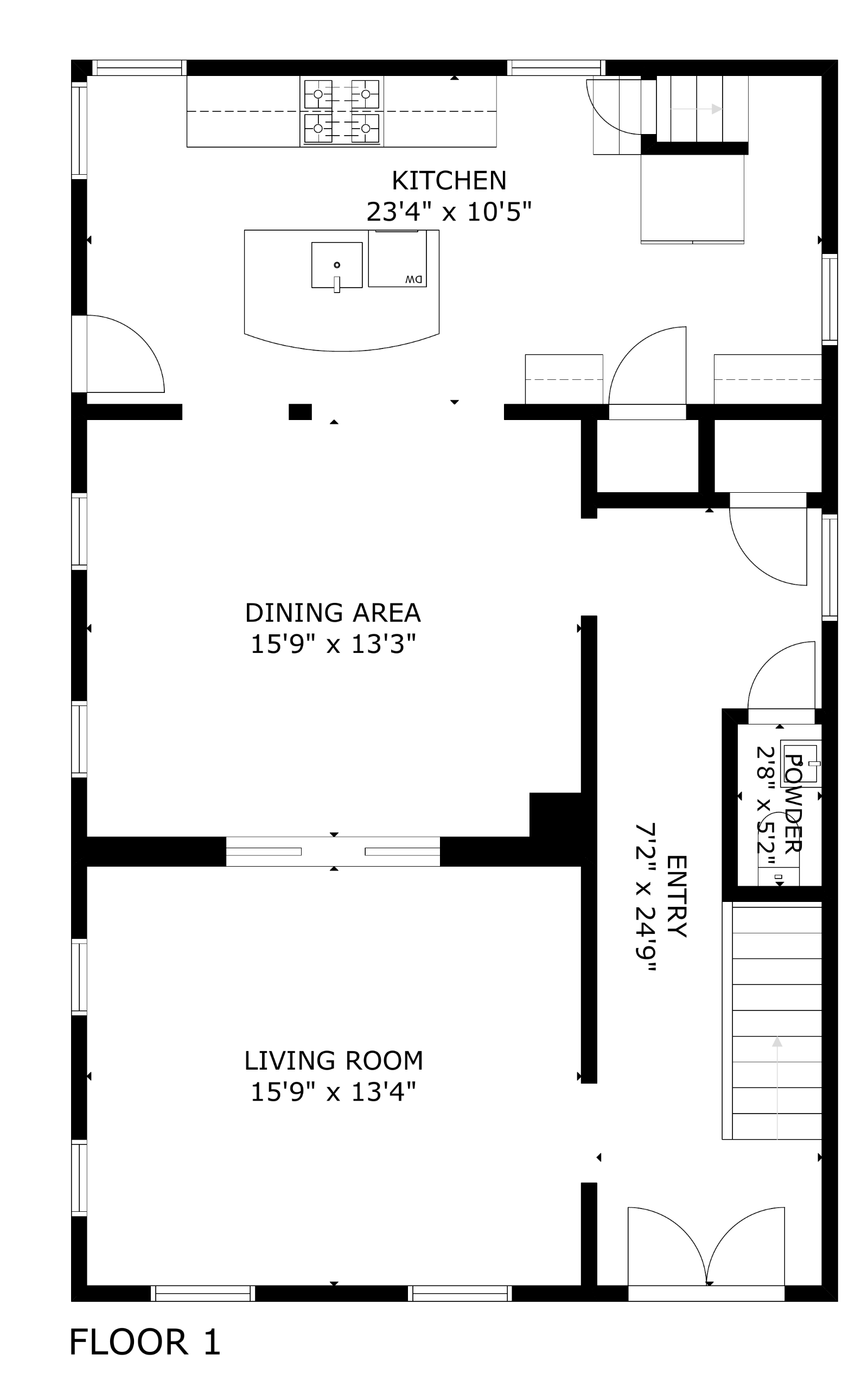
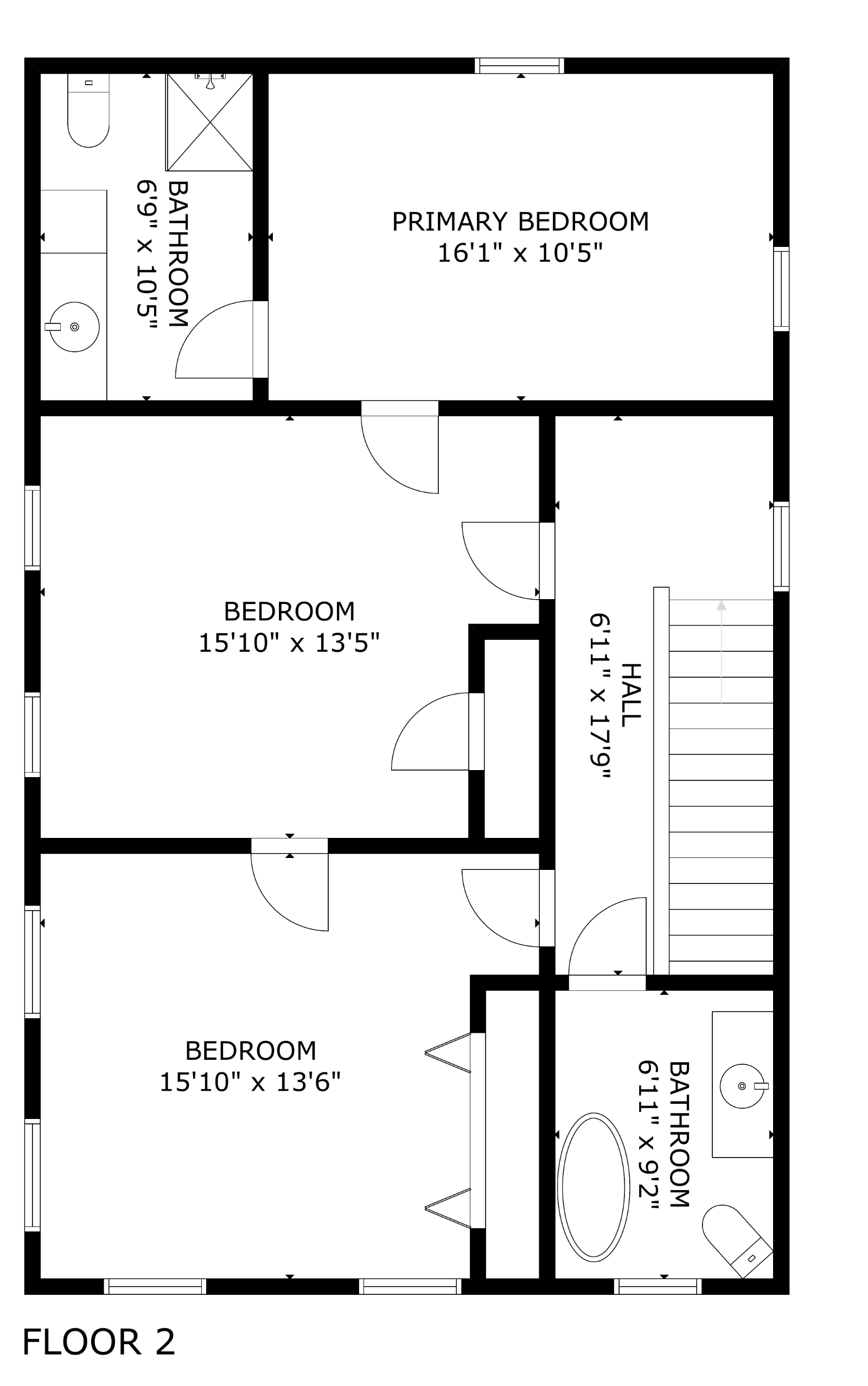
Interiors are never reviewed, so a kitchen or a floor plan is yours to change with
an ordinary building permit. Minor repairs, most fencing and rear decks are handled by staff at the permit
counter rather than at a hearing. A full review runs four to six weeks, because the city notifies
surrounding owners first, and the Commission meets the first and third Monday of the month. Plan exterior
work around that calendar rather than discovering it afterward.
What the Commission does and does not review.
The same designation carries an incentive that rarely reaches a listing: put at least 50% of the building's
pre-improvement value into a qualifying rehabilitation, have the Commission and City Council approve it,
and the City of Galveston freezes its portion of the property tax at the pre-improvement value for ten
years. County and school district taxes keep billing on the new value. It applies to buildings classified
Contributing or Compatible, and to individually designated Galveston Landmarks — and the seller has
already disclosed a historic property designation on this one, which is the door into the program.
How the tax freeze works.